On December 3, 2025, under the crisp winter sky of Cardiff, the capital of Wales, students from the International Finance Management and Cross-border Finance & Management programmes at Peking University HSBC Business School (PHBS) embarked on an academic exploration into "Media Technology and Urban Culture." Through the bus windows, the Welsh countryside unfolded gently: soft rolling green fields, mist-clad mountains, and the occasional towns.
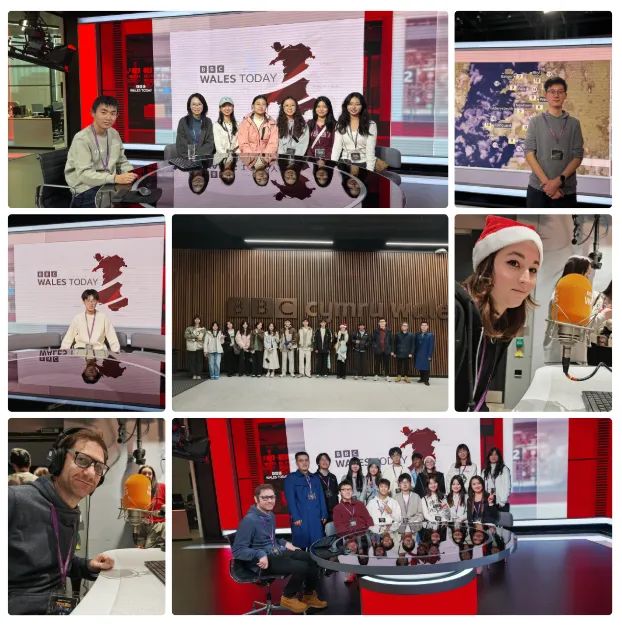
The journey began at the heart of British media innovation—BBC Cymru Wales' New Broadcasting House at Central Square. Designed by the renowned Foster + Partners, this landmark is not only Wales' media hub but also a global pioneer in full IP-based broadcasting technology. Behind its vast glass façade lays an open design philosophy that "brings the city indoors," demystifying the traditional media institution.
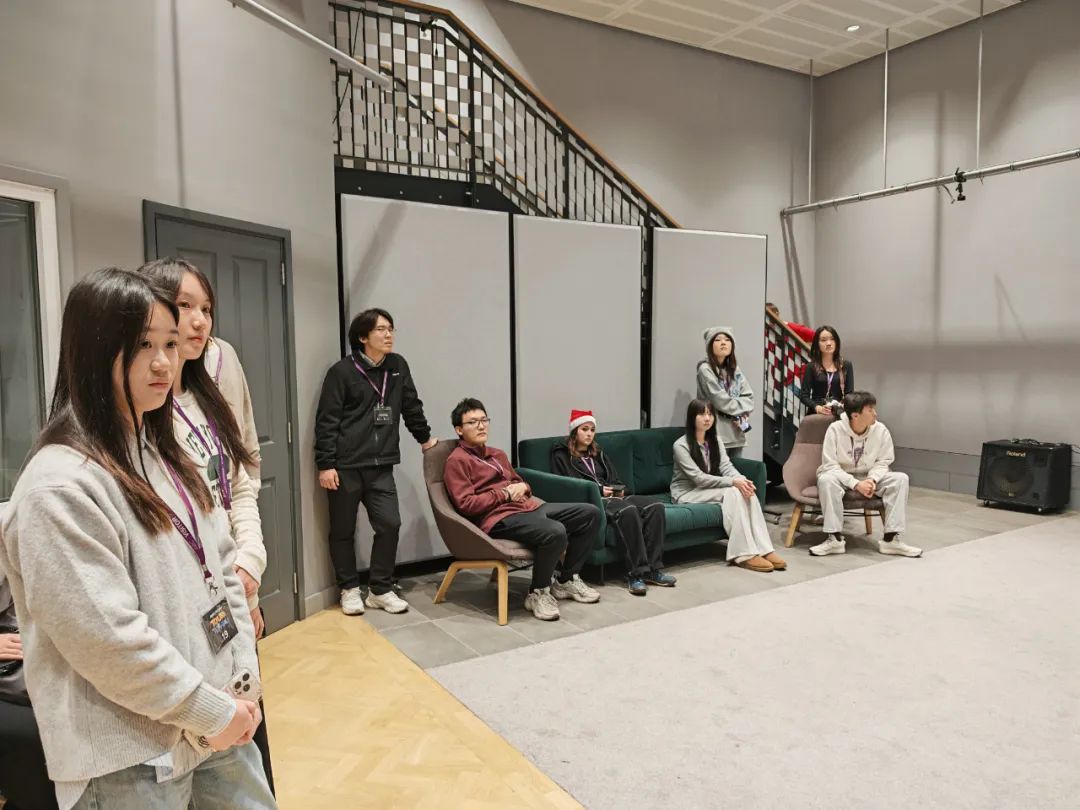
Inside, students were intrigued by the building’s acoustic intelligence. Beyond advanced broadcasting equipment, specially designed floors revealed a “sound control ecosystem”: thick carpets in interview studios absorbed mid-to-high-frequency noise for clarity, while dense wooden floors in the music rooms preserved natural warmth and resonance. The most impressive was the “Quiet Room,” featuring a box-in-box structure isolated from the main building to block external vibrations—a space used for precise audio editing and as a space of respite for neuro divergent individuals.
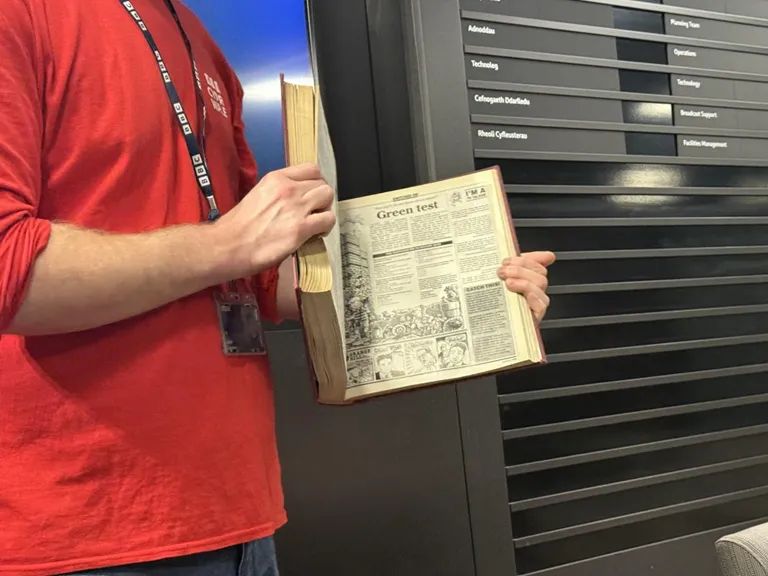

A “History Wall” in the atrium displayed archives and vintage equipment dating back to BBC’s founding in 1922, narrating BBC Wales’ enduring journalistic commitment since 1923. The visit peaked with immersive experiences: students sat at news anchor’s desk for mock live broadcasts and stood before green screens to present weather forecasts, gaining firsthand insight into the teamwork behind the screen.
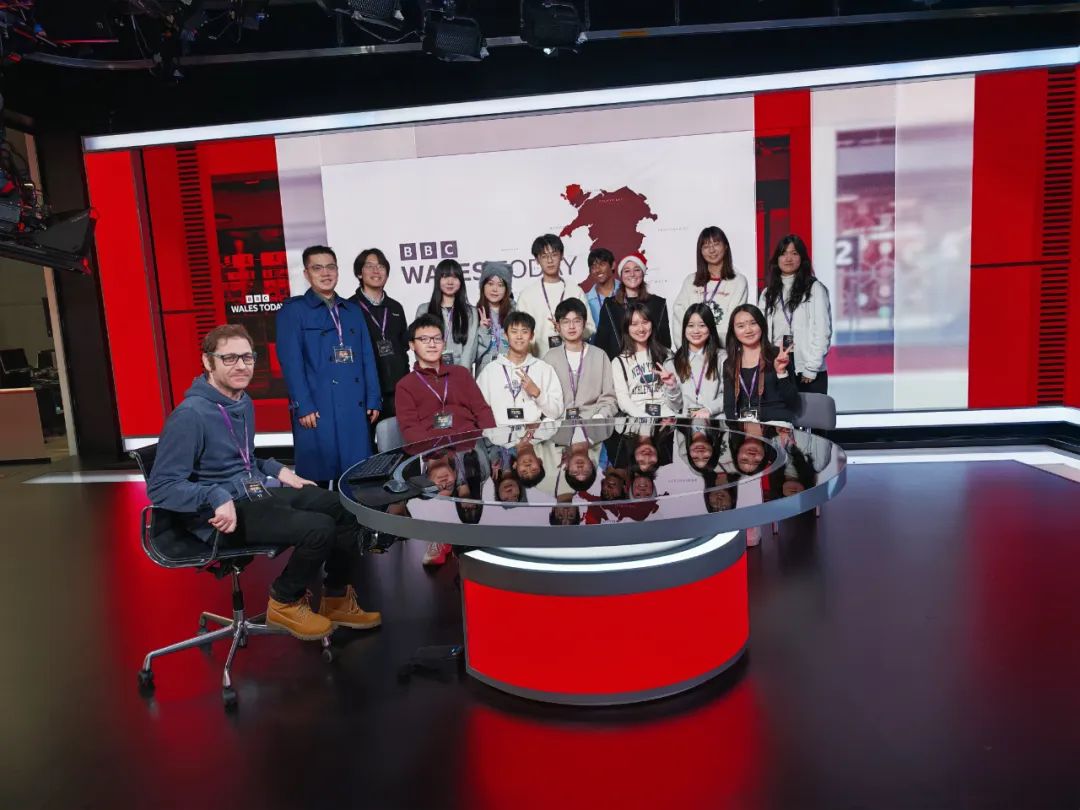
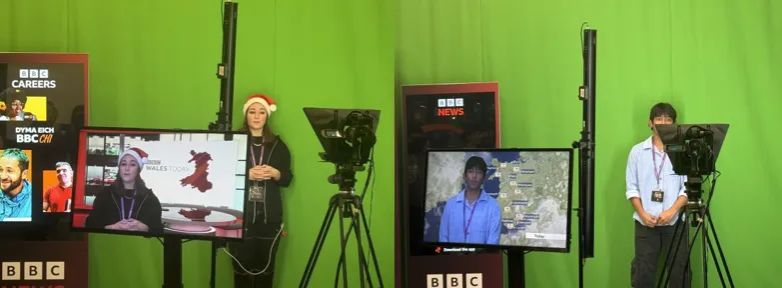

Leaving BBC Wales, discussions buzzed with reflections on objectivity, professionalism, and innovative storytelling.
The afternoon shifted pace into a cultural stroll through Cardiff’s festive streets. The Christmas Market along St John Street offered a sensory feast—aromas of mulled wine and grilled food, handmade silver jewelry, ceramics, woodcraft, and original artworks at Taster Stalls supporting local startups. Students warmed themselves with traditional Welsh Cakes, savoring the blend of laughter, conversation, and bagpipe melodies.

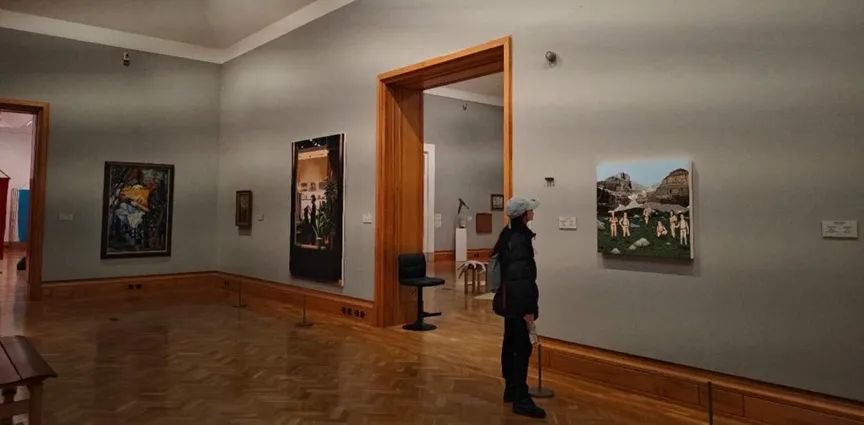
In the serene halls of the National Museum Cardiff, students immersed themselves in a quiet dialogue across centuries. They stood in contemplative silence before masterpieces such as Renoir’s La Parisienne, whose vivid gaze seems to transcend time, and Van Gogh’s Rain – Auvers, where the restless brushstrokes echo the artist’s inner turbulence. Moving through galleries that trace Wales’ industrial legacy and natural history—from ancient fossils to modern installations—students reflected on the enduring interplay between human creativity, technological progress, and the natural world. In these quiet moments, art became more than something to be observed; it served as a bridge connecting past and present, inviting deep reflection on how heritage shapes identity and inspiration.
As dusk fell, the group reached Cardiff Bay. A gentle sea breeze accompanied a sunset painting the sky in warm hues. Walking along the Wales Coast Path, they witnessed the city’s layered history: the red-brick Pierhead Building, a testament to Wales’ coal-exporting golden age, stood opposite the transparent, slate-and-glass Senedd, symbolizing modern political openness. Along the waterfront, some chatted softly, others gazed at the sea, all momentarily cradled by nature.
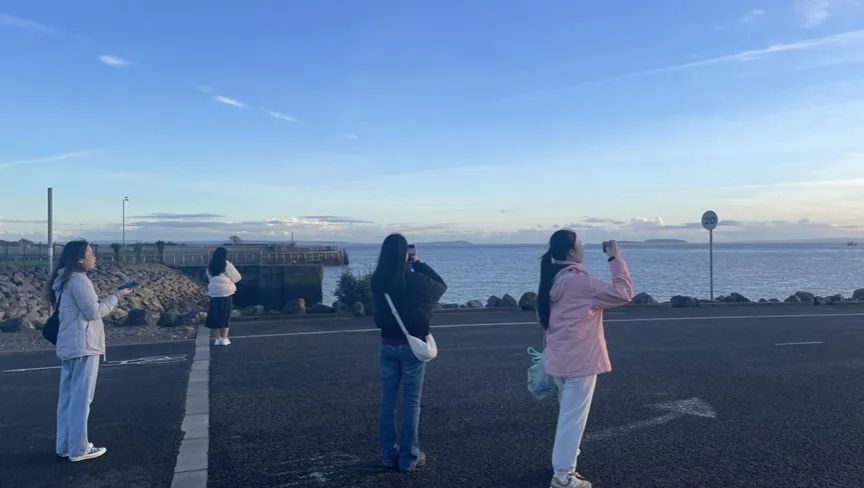
As night descended and city lights glittered, the exploration concluded. From cutting-edge technology at BBC Wales to the festive warmth of the Christmas Market, and from artistic heritage at the museum to the tranquil bay, PHBS students not only gained knowledge and friendship but also a deeper understanding of how media technology empowers urban life and how cultural continuity gives a city its soul. A vivid "boundless" classroom had left its mark.
By Liao Yurou, Zhou Zihan, Han Bing
Images: Liao Yurou, Zhou Zihan, et al.
Translated by Annie Jin