On December 10, 2025, students from the Peking University HSBC Business School UK Campus (PHBS-UK), led by Deputy Campus Director Han Bing, embarked on a visit to "The Wing"—Bremont's global manufacturing and technology centre in Henley-on-Thames. This was more than a tour into the world of high-end mechanical watchmaking; it served as a live case study for management students, exploring how a company rebuilds core competencies amidst technological disruption.

PART 01: A Vision of Revival: Rebuilding an Oasis in the "Watchmaking Desert"
"The Wing," with its aerodynamically inspired architecture, stands as a physical symbol of British watchmaking's revival. At the start of the visit, students learned that while the UK is the historical birthplace of watchmaking, decades of industrial decline nearly wiped out its high-end supply chain.
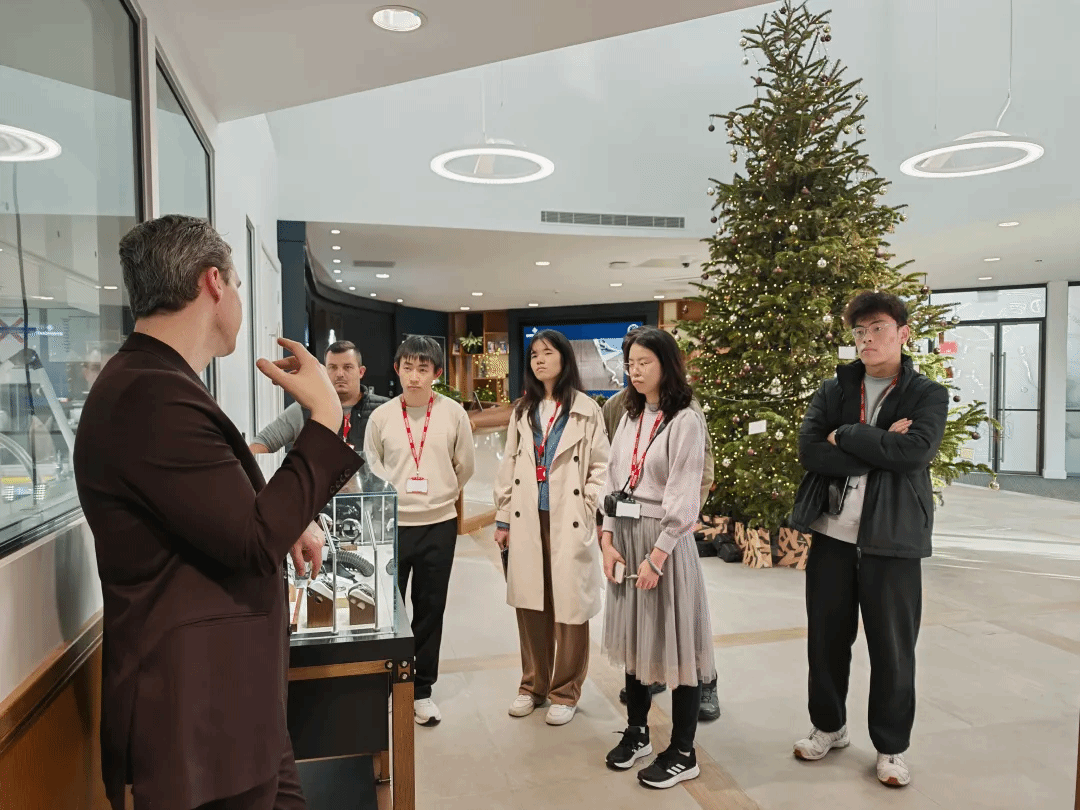
In the brand gallery, watches from the "Terra Nova" land collection and the "Supermarine" dive series were not merely exquisite objects, but testaments to the determination of Bremont's founders, Nick and Giles English, to "bring watchmaking back to Britain." This resolve extends beyond architectural investment to mastering core technologies—from case-hardening processes to in-house movement development.
PART 02: A Unique Apprenticeship Scheme: A Managerial Solution to the "Watchmaker Shortage"
The core highlight was the deep dive into Bremont's unique Apprenticeship Scheme and its reform of watchmaking talent, presented by company representative Thomas. This proved to be the most enlightening session.
Thomas explained that Bremont's greatest initial challenge was not funding or equipment, but a "shortage of people," with few seasoned watchmakers left in the UK. Instead of solely relying on poaching talent from Switzerland, Bremont chose a more challenging yet strategic path: building an internal talent pipeline.
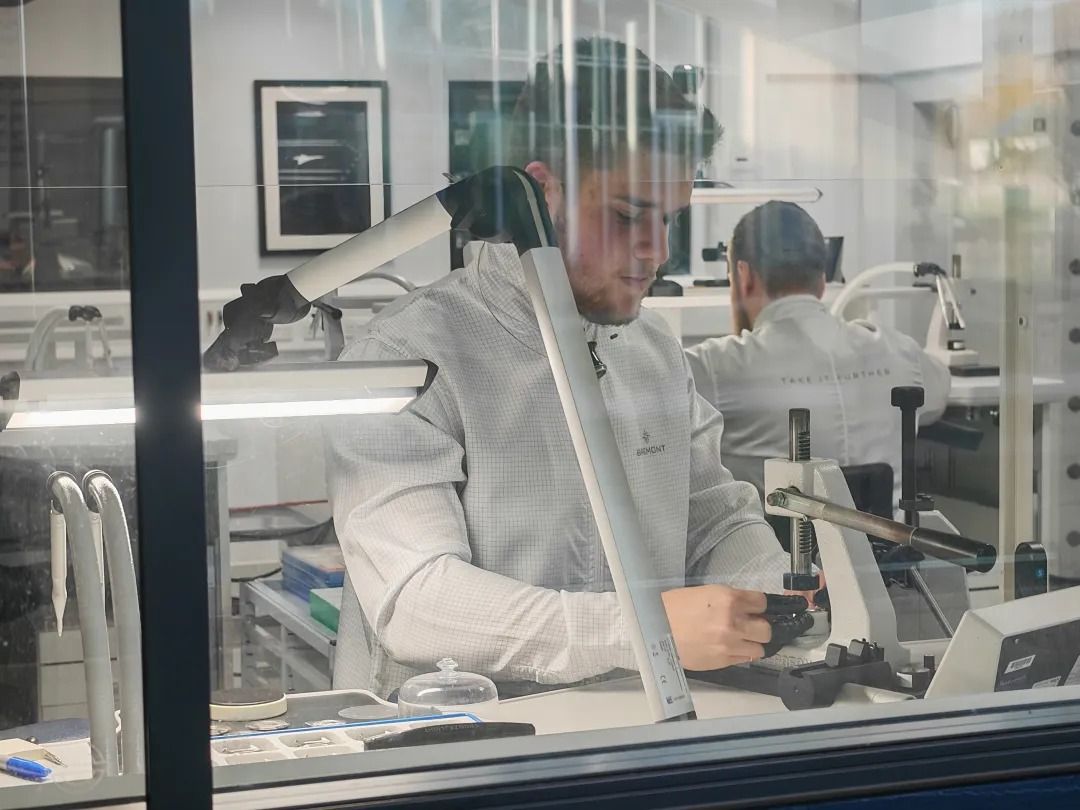
Through the windows of the clean room, students observed young individuals intently operating precision instruments. Thomas noted these were the fruits of Bremont's talent reform.
Non-Traditional Talent Selection: Bremont removed prior watchmaking experience as a prerequisite. Their apprenticeship selection prioritises innate aptitude, concentration, and hand-eye coordination. Candidates with exceptional manual dexterity—perhaps former medical students or meticulous model enthusiasts—are identified through unique tests.
Systematic Watchmaker Reform: To fill the educational void, Bremont established its own training system. Apprentices learn traditional mechanical assembly alongside modern CNC machining techniques. This hybrid model, blending "traditional mentorship" with "modern vocational education," has successfully cultivated generations of home-grown elite watchmakers, reducing dependency on external supply chains. Bremont also invests significantly in continuous development, funding employees for specialised watchmaking programmes in Manchester.
PART 03: A Practical Management Lesson: Balancing Efficiency and Craftsmanship
Thomas showcased complex movement blueprints and explained how Bremont optimises production. While the brand insists on hand-assembling for high-end quality, it employs ultra-precision CNC machines for component manufacturing, maintaining micron-level tolerances.
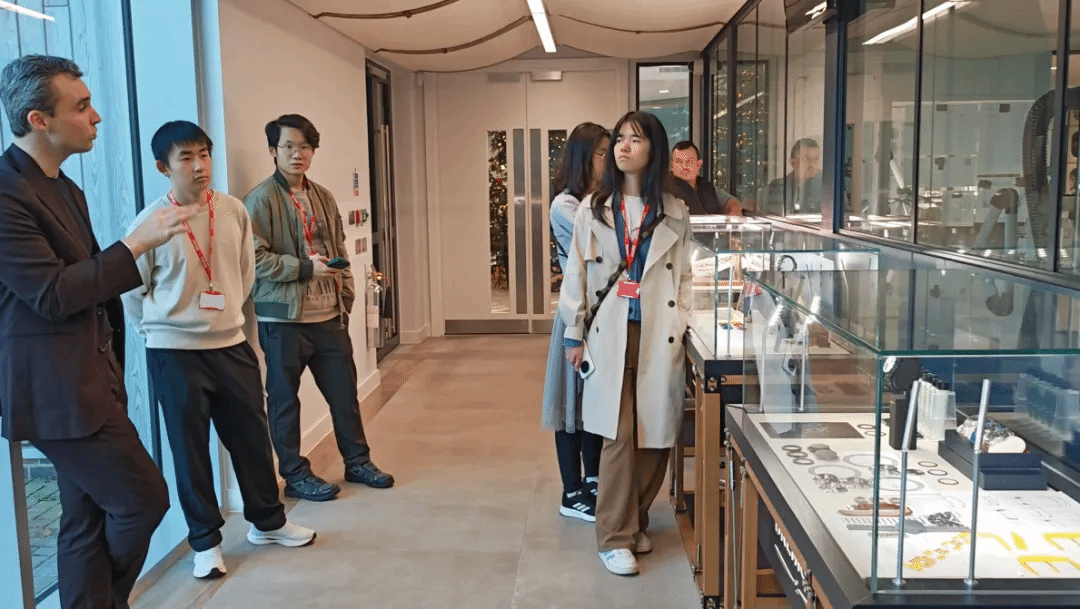
This philosophy of "machines for precision, humans for soul" sparked lively discussions. Students engaged with Thomas on issues like "balancing efficiency with the scarcity essential to luxury" and "managing stable transition during production line transformation." It became clear that Bremont's success is largely built upon the unique competitive barrier erected by its talent strategy.
PART 04: From Manufacturing to "Intelligent" Manufacturing: Key Takeaways
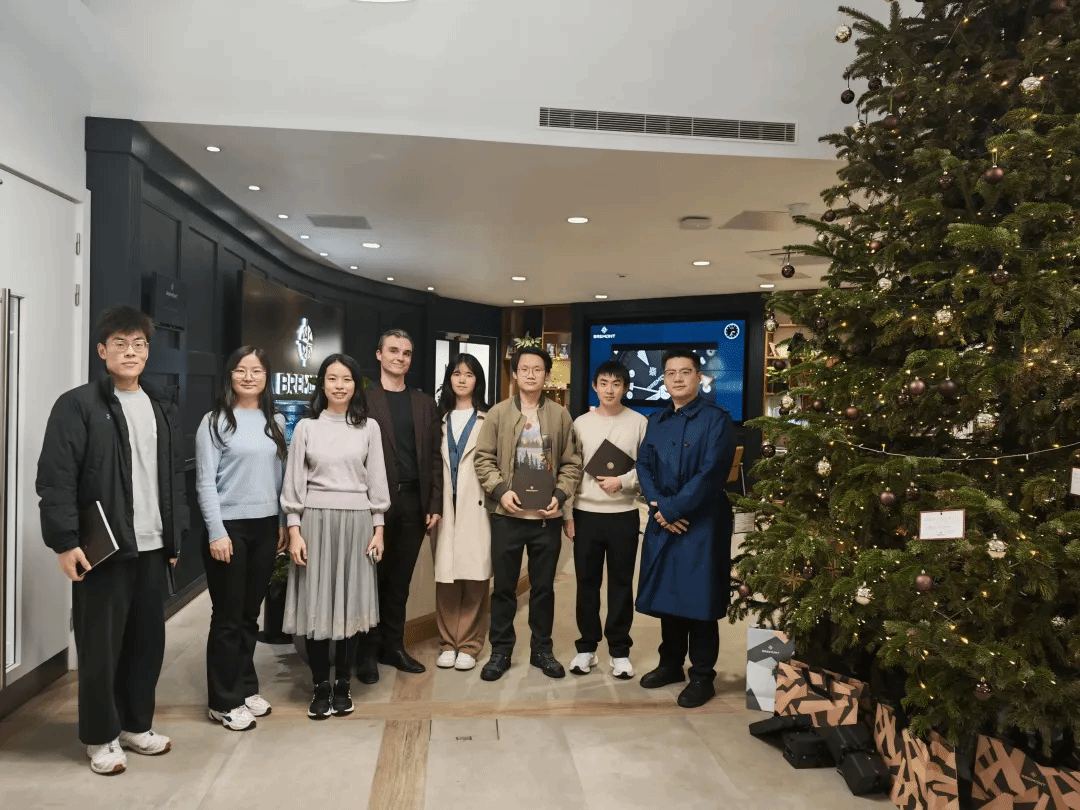
The visit concluded with a group photo by Bremont's festive Christmas tree.
This journey to Bremont allowed PHBS UK students not only to feel the pulse of British high-end watchmaking but also, through its distinctive talent cultivation, to understand that "people" are the most critical variable in corporate revival. By reviving the apprenticeship model and reforming the watchmaker career path, Bremont has not only fueled its own brand but also kindled hope for the wider revival of British watchmaking.
Moving forward, PHBS-UK will continue to leverage resources, guiding students into more companies like Bremont—firms rich in industry insight and managerial wisdom—to cultivate business leaders with a global perspective.
By Han Bing
Images: Han Bing
Translated by Annie Jin